
What does OSHA actually require for handwashing?
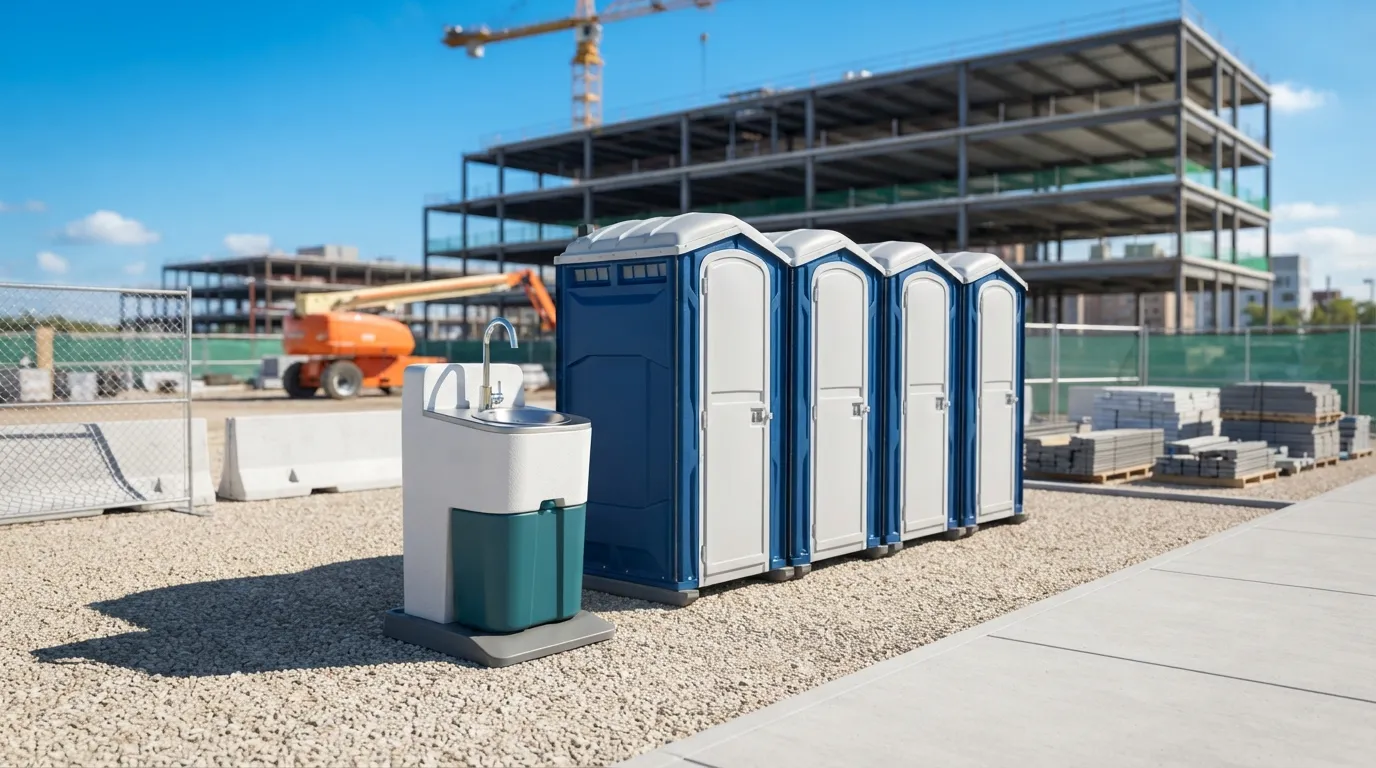
The rule people quote wrong is 1926.51(f)(1). It only kicks in where workers are applying paints, coatings, herbicides or insecticides, or handling other contaminants that need washing off skin. It is not a blanket handwashing law for every job site. If your crew is just framing or pouring concrete, that specific rule does not apply, though general sanitation under OSHA 1926.51(c) still governs toilet counts. Once you are in general industry territory rather than construction, 29 CFR 1910.141(d)(2) takes over, and it is specific: soap and a way to dry hands, either towels or a drying device. Hand sanitizer, on its own, does not satisfy that standard. Denton Porta Pros builds stations around whichever rule actually applies to your site, whether that is a Denton remodel crew spraying primer or a warehouse crew on a normal shift. Get the handwashing station rental sized right the first time and you skip a second delivery. Pair it with a portable sink rental if your crew also needs a dedicated prep or cleanup point separate from the wash station itself.
How many handwashing stations does a Denton job site need?
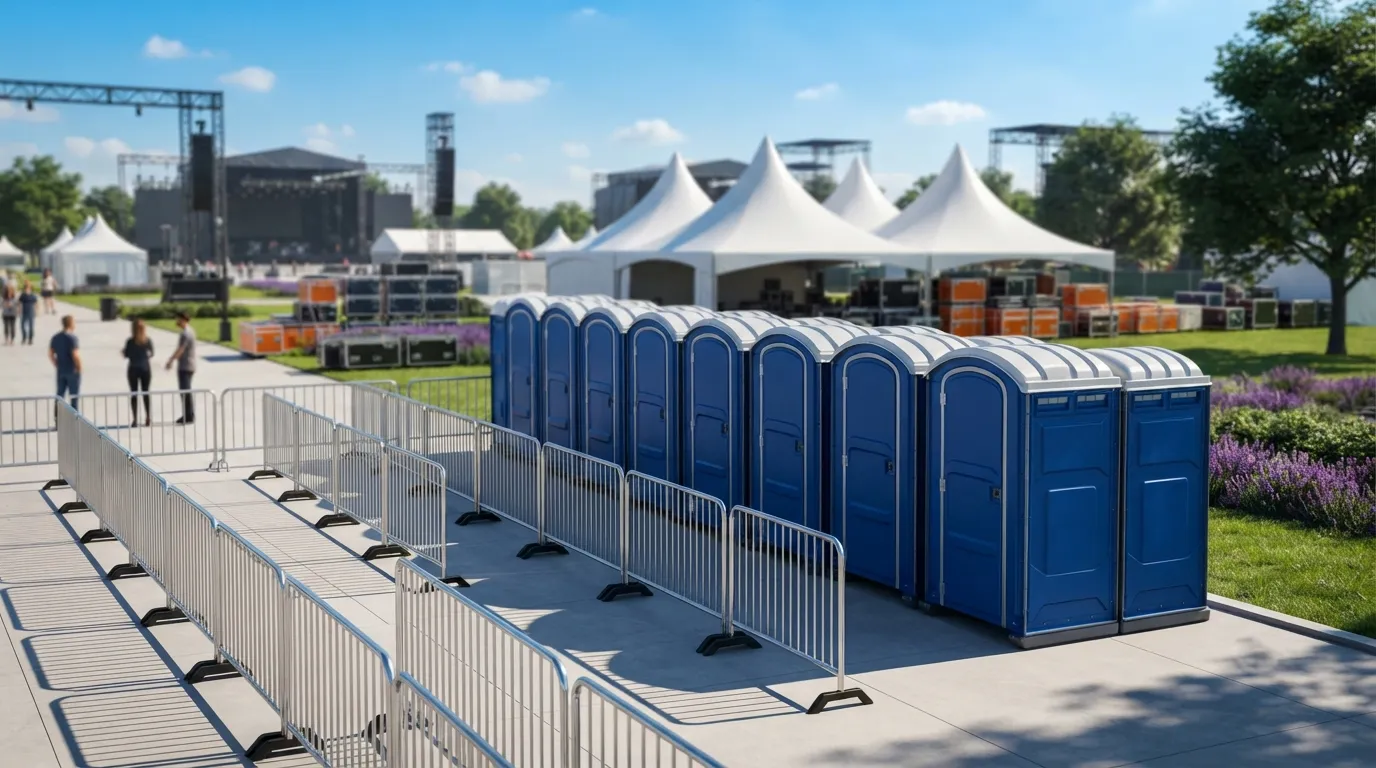
Most Denton crews run one station per toilet cluster, matched to the worker count under OSHA 1926.51(c). ANSI/PSAI Z4.3 sets the baseline service interval at once weekly for up to 10 users across a 40 hour week, and that pace works fine for handwashing units serviced on the same schedule. A 20-person crew on a Denton job site typically needs one to two stations, depending on layout and how spread out the work areas are. If your site already has portable toilet rental units placed near the entrance, put the handwashing station next to them, not across the lot. Workers skip the walk otherwise. Larger sites benefit from temporary fencing around the wash area to keep foot traffic organized, especially on active construction sites with material staging nearby. For agricultural operations, note that OSHA 1928.110 sets a different standard: field sanitation requires water, toilets and handwashing within a quarter mile walk, one facility per 20 hand-labor employees. That rule matters for farm operations working land near Denton, and it is worth checking against our farm and agricultural restrooms page before you order.
Where should handwashing stations go on site?
Placement follows accessibility rules whether or not your site has an ADA obligation. Under ADA Standards section 403.5.1, the clear route to any station needs a minimum width of 36 inches, and the surface itself has to be stable, firm and slip resistant per ADA Standards section 302.1. If your Denton site includes an ADA accessible porta potty, the handwashing unit next to it should follow the same reach standards: ADA Standards section 308.2.1 caps the forward reach at 48 inches high, and operable parts like pump handles need to work with one hand and no more than 5 pounds of force under section 309.4. Ground clearance matters too. A roll-off delivery truck needs about 60 feet of straight clearance behind it, so if you are placing a roll-off dumpster rental and a wash station in the same staging zone, plan the layout before either truck shows up. Keep stations away from mud paths and standing water. Denton clay soil holds moisture after rain, and a station that sinks into soft ground becomes a hazard, not a convenience.
Do event sites in Denton need handwashing stations too?
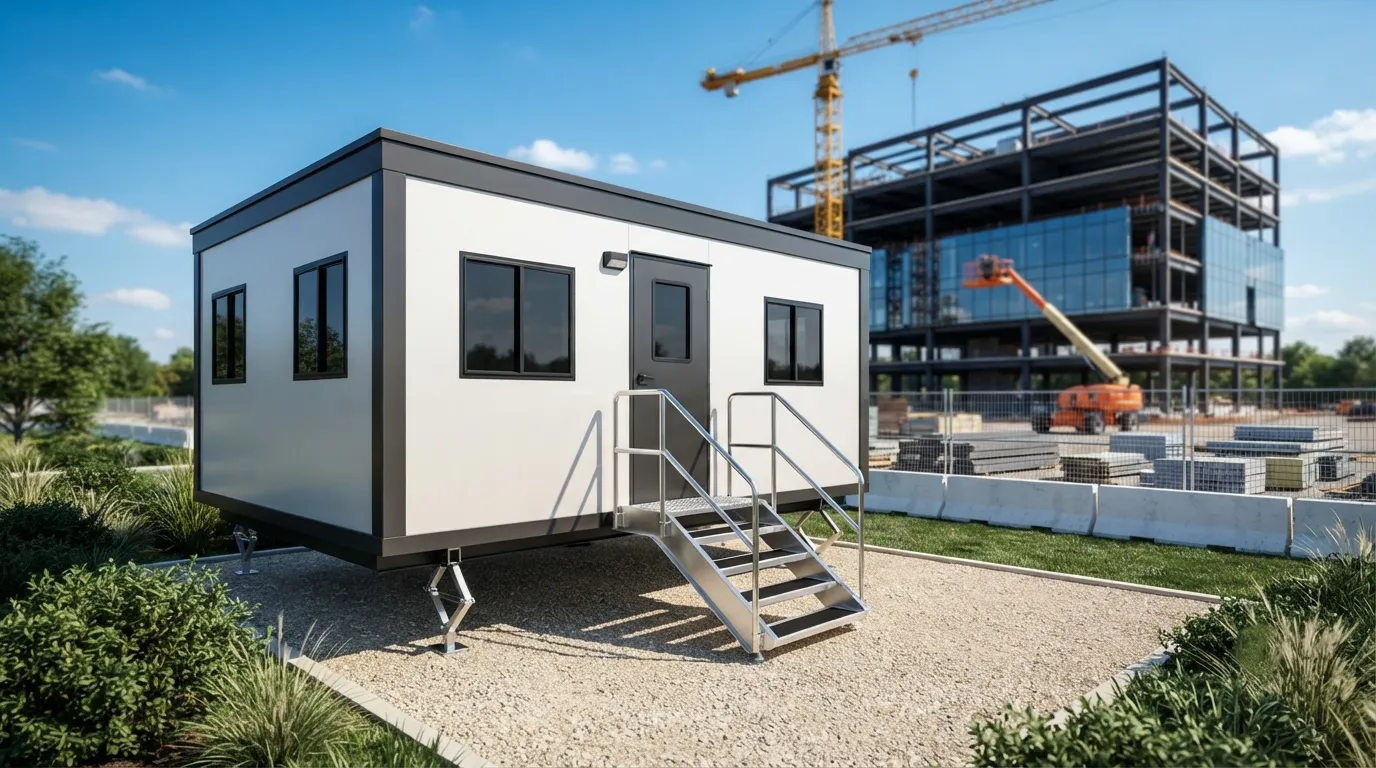
Yes, and event organizers usually need more stations than they expect. A wedding, festival or fair pulls people through food lines fast, and a single unit backs up quickly. If you are planning an event restroom rental for a Denton gathering, add at least one handwashing station per 150 to 200 guests as a starting point, then adjust based on food service. A festival restroom rental or concert restroom rental setup near food vendors should put the wash stations right at the exit of the food area, not tucked behind the restroom bank. The same logic applies to a county fair restrooms layout or a golf tournament restrooms plan where concessions cluster in one spot. Denton sits close enough to Corinth, 8.4 miles southeast, and Flower Mound, 14.9 miles south, that Denton Porta Pros services event sites across that whole stretch without a long delivery window.
Frequently Asked Questions
Does hand sanitizer meet OSHA requirements?
No. Under 29 CFR 1910.141(d)(2), general industry sites need soap and a way to dry hands, either towels or a mechanical dryer. Sanitizer alone does not satisfy that standard. Construction sites applying paints or coatings fall under OSHA 1926.51(f)(1) instead, which has the same expectation: real washing, not just sanitizer.
How often are handwashing stations serviced?
ANSI/PSAI Z4.3 sets a baseline of one service visit per week for up to 10 users across a 40 hour week. Busier Denton sites, especially event sites or large crews, often need twice-weekly service to keep soap and towels stocked. Ask about how often are porta potties cleaned for the full servicing rundown.
Can I rent a handwashing station without renting a toilet?
Yes. Some Denton sites already have restrooms but need a standalone wash point near a food truck, paint booth or work zone. Denton Porta Pros delivers handwashing units on their own, and they pair naturally with a portable sink rental if you need a wash-and-rinse setup for food prep.
What is the difference between a handwashing station and a portable sink?
A handwashing station is built for quick hand cleaning: soap, water and towels. A portable sink often adds a larger basin and sometimes hot water, useful for food vendors or crews cleaning tools. Check portable sink rental if your job needs more than a quick rinse.
Do I need a handwashing station for a small home renovation project?
Small crews of two or three still benefit from one station on site, especially for a home renovation porta potty setup where the homeowner does not want workers inside using household bathrooms. It is a small add and keeps the job site self-contained for the length of the project.
Next step
Get a delivery date
Tell us the address, the dates and the headcount. We size the order and confirm the route.